
From Overwhelmed to Strategic: 10 Lessons for New TPMs
Authored by:
Andrea Light, MBA, MS, RN, EMT, CEN, TCRN
Senior Advisor
Stepping into the Trauma Program Manager role can feel like drinking from a firehose. The work is high stakes, the expectations are broad, and the learning curve is steep. Looking back, there are several lessons I wish someone had shared with me early on, lessons that would have validated what I was feeling, helped me avoid common blind spots, and accelerated my growth as a leader. These lessons are not a checklist for perfection, but a starting point for leading with clarity, confidence, and purpose.
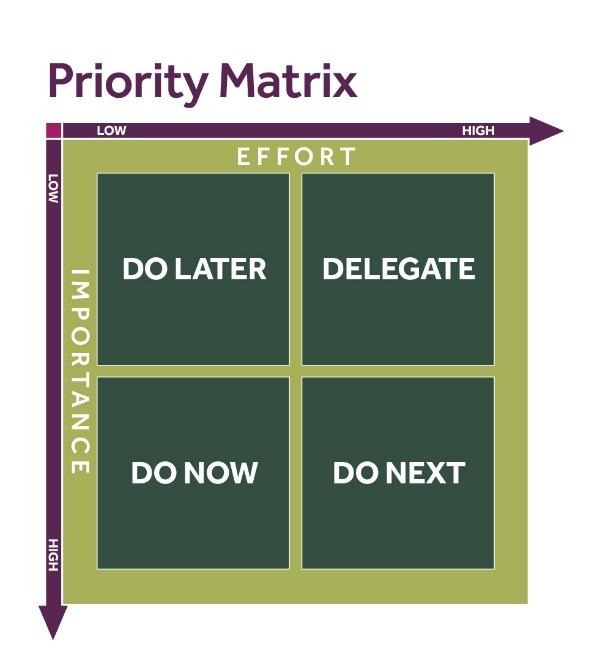
- Not everything is an emergency. Early on, it can be hard to separate true urgency from competing priorities. Learn to triage issues, protect your time, and avoid letting every request derail your day. A gap analysis and priority matrix can help you focus on what matters most:
- It’s OK not to have all the answers. No leader knows everything. What matters is knowing where to look, who to ask, and how to stay organized. Familiarize yourself with the standards for your trauma center’s verification, designation, or accreditation level, and create a simple system for tracking key resources, whether through website bookmarks, binders, notebooks, or digital tools like OneNote.
- Build your network. Identify trusted TPM colleagues, mentors, or “phone-a-friend” contacts you can turn to for perspective and problem-solving. Formal mentor programs through organizations such as STN and TCAA can be helpful, as can regional and state trauma system meetings. If your health system has multiple trauma centers, collaborate with those leaders as well.
- Clarify what is expected of you. TPMs report to different leaders depending on the organization, and those leaders may not always be trauma experts. Get aligned early on priorities, expectations, and the vision for the program. Regular check-ins, such as monthly touchpoints, can help prevent crossed wires and keep your advocacy focused.
- Identify your key stakeholders and build relationships early. Start with your immediate team, Trauma Medical Director, and direct supervisor. Then identify the internal and external partners who influence trauma care, such as EMS, public health, and referring or receiving hospitals. Early meet-and-greets can clarify roles, build trust, and strengthen collaboration before issues arise: Stepping Into Trauma Leadership: First Steps for New Trauma Program Managers
- Listen to your team. Early on, take time to understand the program and the people behind it. Meet with team members individually and together to learn what is working, what needs attention, and what long-standing issues may be affecting culture or progress. Your team’s perspective can help you identify priorities and avoid changing what already works.
- Be proactive, not reactive. Don’t let interpersonal issues linger; they can quickly erode trust and damage team culture. Clarify whether someone is venting or asking you to intervene, but address true behavioral concerns early. Getting to the root of issues before they escalate protects team function, retention, and patient care.
- The trauma registry is the backbone of the trauma program. Strong registry data supports accurate reporting, meaningful PI, and credible benchmarking. Make sure your team is using the appropriate data dictionaries, has a clear validation process, and completes inter-rater reliability reviews. Clean up outdated or unnecessary data fields so the registry team can focus on the data that matters most. Investing time in data quality up front will pay dividends later.
- What does “good PI” really mean? At its core, strong Performance Improvement (PI) means identifying issues, engaging the right stakeholders, taking appropriate action, and documenting event resolution or “loop closure.” Be prepared to show how cases move through each level of review and what was done to prevent similar issues for future patients. You may already be doing the work, but reviewers need to clearly see the process, actions, and outcomes.
- Share “the why.” “Because it is required” is not always enough. When working with stakeholders and leaders, tailor the message to your audience and connect the work to shared goals, patient outcomes, and your organization’s mission. Understanding what matters to others helps you explain how trauma priorities support the larger vision.
Bonus Lesson: Give yourself grace. You will make mistakes. Every leader does. What matters most is whether you learn from them, adjust your approach, and keep moving forward with humility and purpose.
Ready to move from overwhelmed to strategic?
New trauma program leaders do not have to build every process, solve every challenge, or identify every blind spot alone. Whether your program is navigating leadership transition, preparing for verification or designation, strengthening performance improvement, improving registry data quality, or aligning stakeholders around a shared vision, the right support can help you clarify priorities and create sustainable momentum.
At OHA, we partner with trauma programs and leaders to assess current state, identify practical opportunities for improvement, and build clear roadmaps that move teams from reactive problem-solving to strategic program growth.
If you are ready to strengthen your trauma program, support your team, or prepare for what comes next, connect with us to start the conversation.